
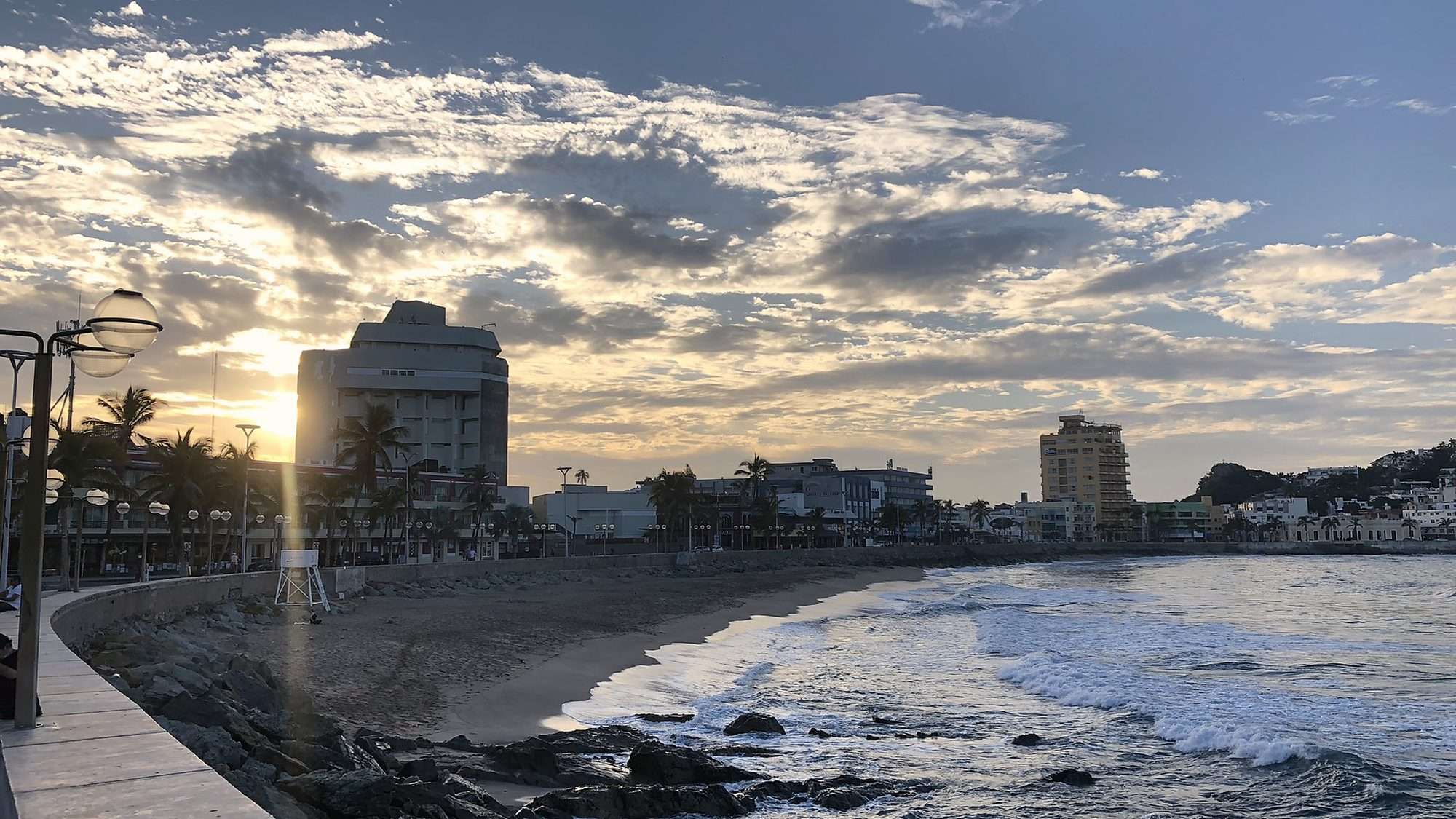
Almost everything written about Mazatlán's Centro Histórico is written for tourists: restaurants, Plazuela Machado, sunsets. All true, and none of it helps if what you're considering is moving here.
This is different. We're developers and we operate here. We build in the Historic Center, we have neighbors here, and we see every day what works and what doesn't. What follows is what we'd tell a friend who asked whether it's worth living here — including the parts that don't help us sell.
Start with what makes this place impossible to repeat
Mexico has 66 Historic Monument Zones established by presidential decree. They are the country's protected historic centers: Guanajuato, Morelia, Zacatecas, Oaxaca, Puebla, San Miguel de Allende.
Of those 66, only two carry the words «City and Port of…» in their decree. One is Veracruz, on the Gulf of Mexico. The other is Mazatlán, on the Pacific Ocean.
There is no third. Mazatlán is the only port on Mexico's Pacific coast with a historic center declared by the federal government. Along the entire coastline — from Ensenada to Puerto Escondido, past Puerto Vallarta, Acapulco and Manzanillo — there isn't another one.
The decree was signed on March 7, 2001. It protects 1.145 square kilometers, 180 city blocks and 479 buildings of historic value, built in the nineteenth century and the first quarter of the twentieth.
That means two practical things. First: nobody can demolish, alter a façade or build inside this perimeter without permission from the National Institute of Anthropology and History. Second, and almost nobody thinks about this: the perimeter cannot be expanded. A historic center is not a land bank. It is 180 blocks, and it will always be 180 blocks.
Why Mazatlán looks nothing like Guanajuato
Here's a surprise that explains everything else.
Mazatlán is not a colonial city. Its official founding date — 1531 — is a city-council resolution adopted in 1979, based on a Franciscan chronicle that historians themselves describe as fanciful. In the sixteenth century this was marshland.
The real city comes later: military government in 1792, port of foreign trade in 1820, federal customs house in 1828 — moved here from El Rosario because this port was already moving more — and its own municipal government in 1837.
That's why there is no colonial baroque. There was no viceregal era in which to build it. What there is instead is nineteenth-century neoclassical and eclectic architecture, because Mazatlán was built in the age of free trade, with money and taste that arrived by sea.
And they arrived from everywhere. The German trading house Melchers, of Bremen, established itself here in 1846. Before that, in 1842, the Echeguren family from Spain. Then the Coppel family from Poland in 1873. The Haas family, German, in 1895. The De Cima family brought electricity and streetcars. There was a large Chinese community from the mid-nineteenth century. In 1900, three German brewers founded Cervecería del Pacífico here, whose beer is now sold worldwide.
Mazatlán was international a century before «international» became a real-estate selling point.
It was also a city at war three times in seventy years. Occupied by the United States in 1847. Bombarded by the French frigate La Cordelière from March 24 to 31, 1864. And on May 6, 1914, during the Revolution, a bomb dropped from a biplane fell on Calle Carnaval: one of the first aerial bombardments of a city in the Americas, barely three years after the first in history.
That 1864 bombardment is still commemorated every February. More on that below.
A truly walkable neighborhood
This is the first thing that changes, and almost nobody anticipates it.
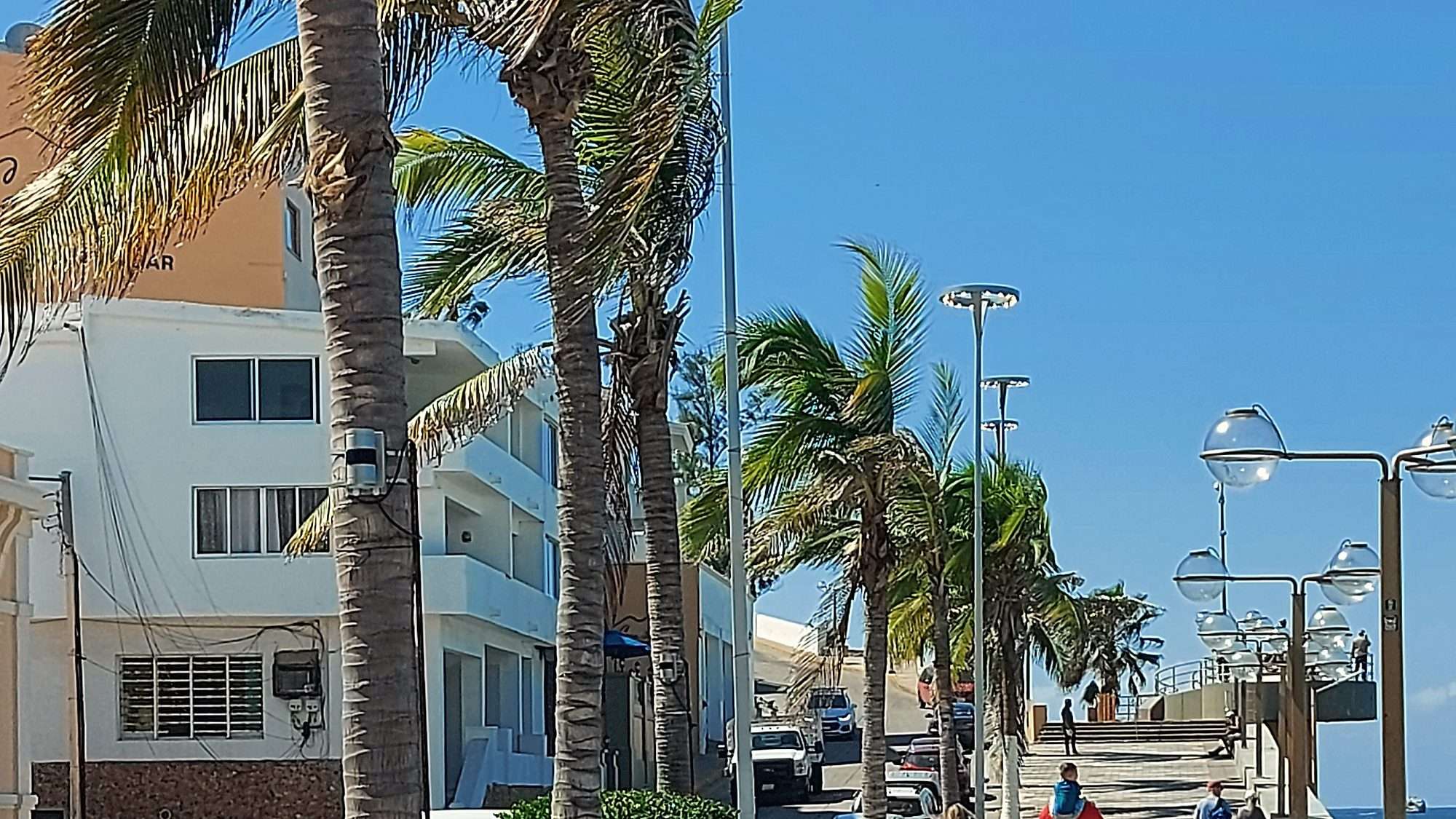
The Historic Center is one of the few places in Mexico where you can live day to day without a car. Not «almost without a car»: without one.
Within ten or twelve blocks you have the market, the pharmacy, the bank, the dentist, the hardware store, three or four cafés where they know you, the theater and the ocean. The street grid is the nineteenth-century one: short blocks, narrow streets, sidewalks that lead somewhere.
A normal day looks like this. You walk down to Plazuela Machado for breakfast. You walk to Mercado Pino Suárez — an iron-frame market, operating since 1900 — for the day's fish: shrimp, marlin, red snapper, whatever came in that morning. In the afternoon you walk to Olas Altas for the sunset. None of the three requires keys, parking or gas.
Nobody arrives looking for this. Six months later it is the thing they tell you about most: that they stopped driving.
What's around the corner
Olas Altas, about five blocks away: the old boardwalk, the one with the palm trees, not the hotel strip. It's where the city goes to walk in the evening.
Teatro Ángela Peralta, two streets away. Its story says more about Mazatlán than any brochure. Built between 1869 and 1874 as Teatro Rubio; reopened in 1881 under the name of the most celebrated Mexican soprano of her time. Two years later, in August 1883, Ángela Peralta died of yellow fever in the hotel next door, at 38, during an epidemic that killed roughly 16% of the city's population. She never sang in the theater that bears her name.
Then came the fall: a neighborhood cinema from 1943 to 1964, a carnival-float workshop, and in 1975 Hurricane Olivia tore off the roof and left it open to the sky for ten years. In 1985 the city considered demolishing it. It was saved by a civic association of neighbors and business owners — Friends of the Ángela Peralta Theater, chaired by Antonio Haas, of the same German family that arrived in 1895 — and on October 23, 1992 it reopened with Carmen. Today it has its own season: opera, ballet, concerts, the Mazatlán Cultural Festival each fall.
That is the pattern of this neighborhood: it falls down, and someone who lives here picks it back up.
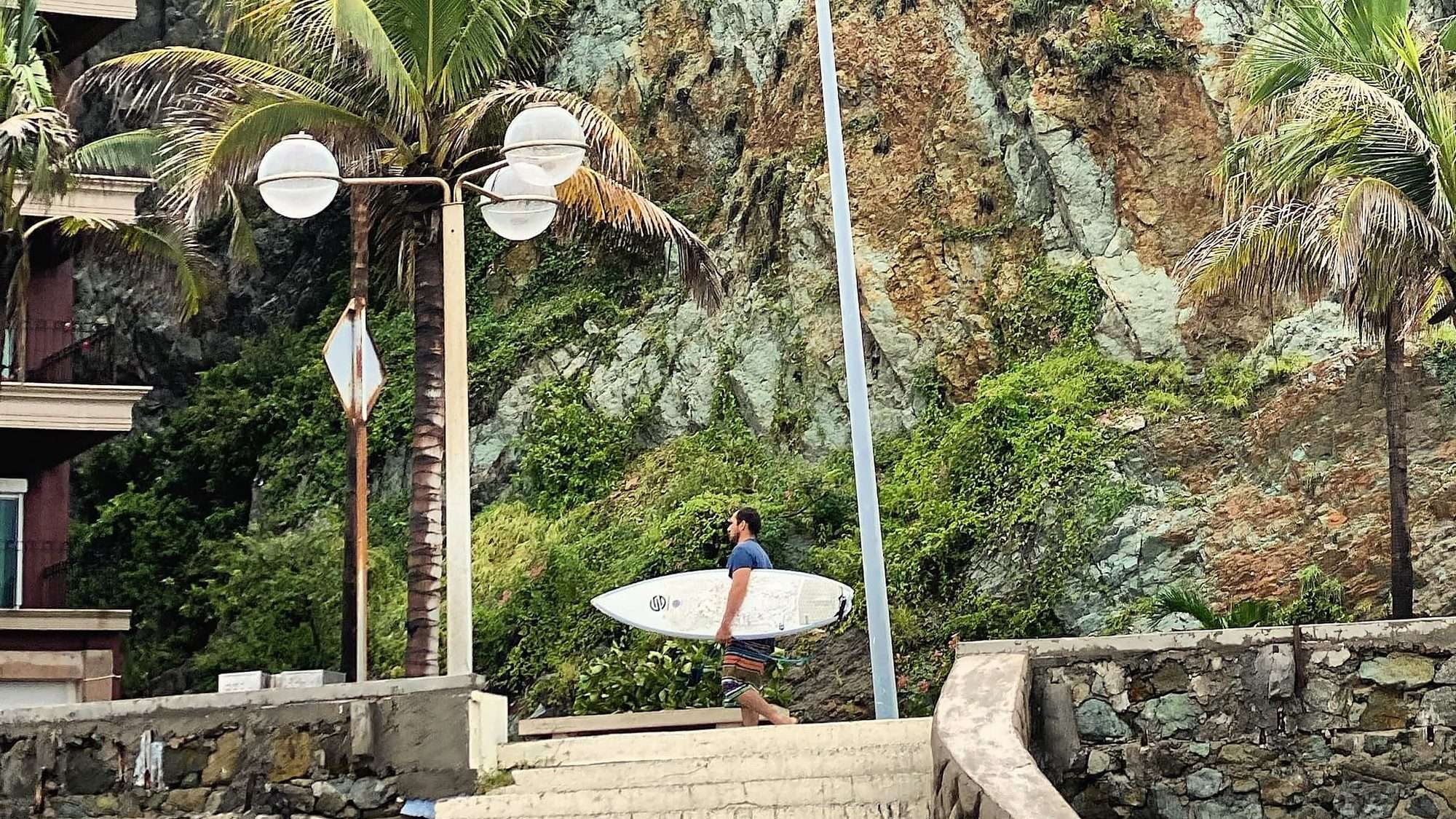
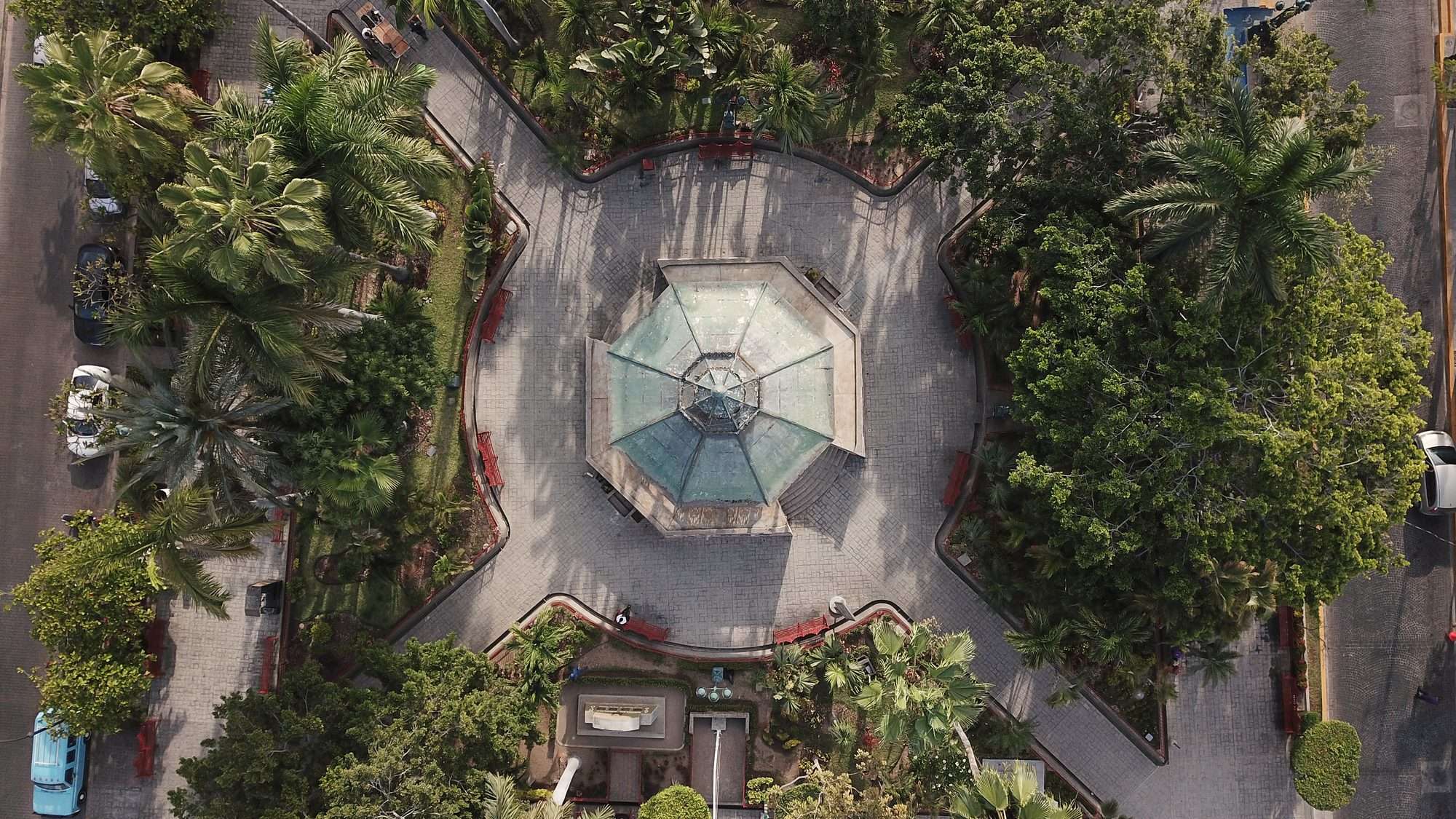
Plazuela Machado, from 1837, built by the merchant Juan Nepomuceno Machado, who donated the land on the condition that it remain public forever. It was called «The Orange Tree Promenade». It's the social heart of the neighborhood: where you eat outdoors and run into people you hadn't planned to see.
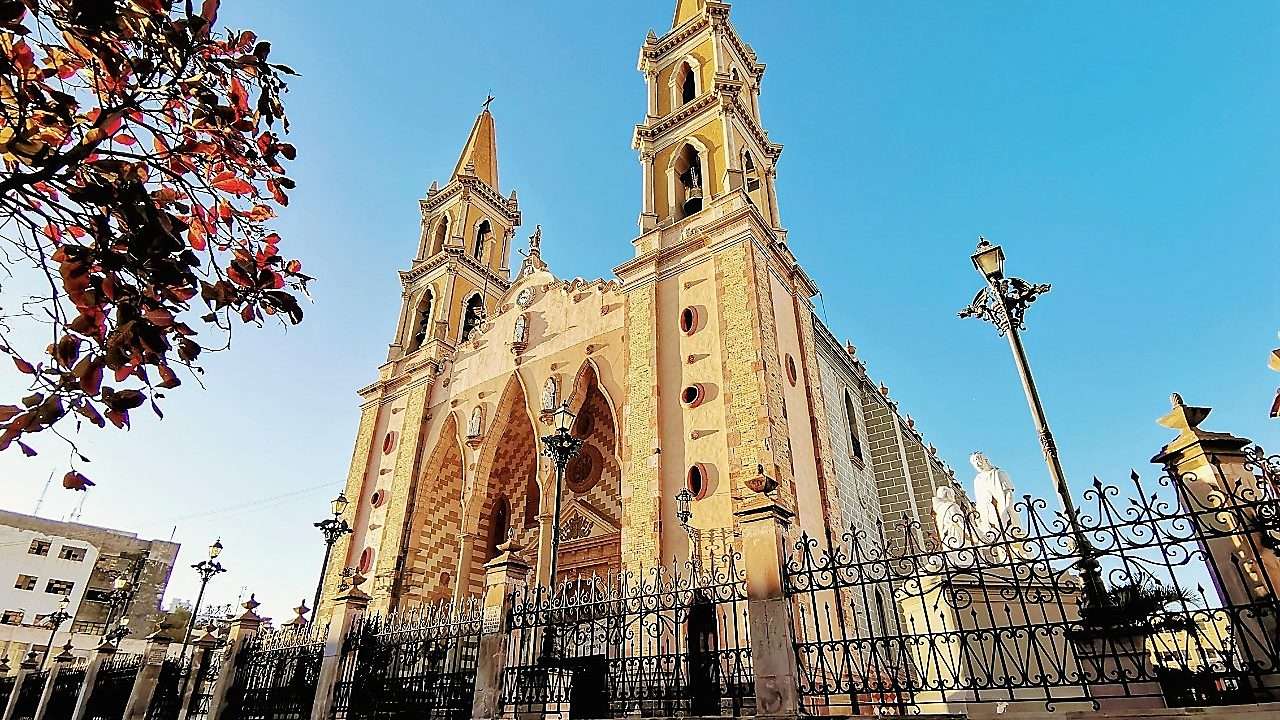
The Cathedral Basilica of the Immaculate Conception: begun in 1856, first mass in 1880, completed in 1899, a basilica since 1941.
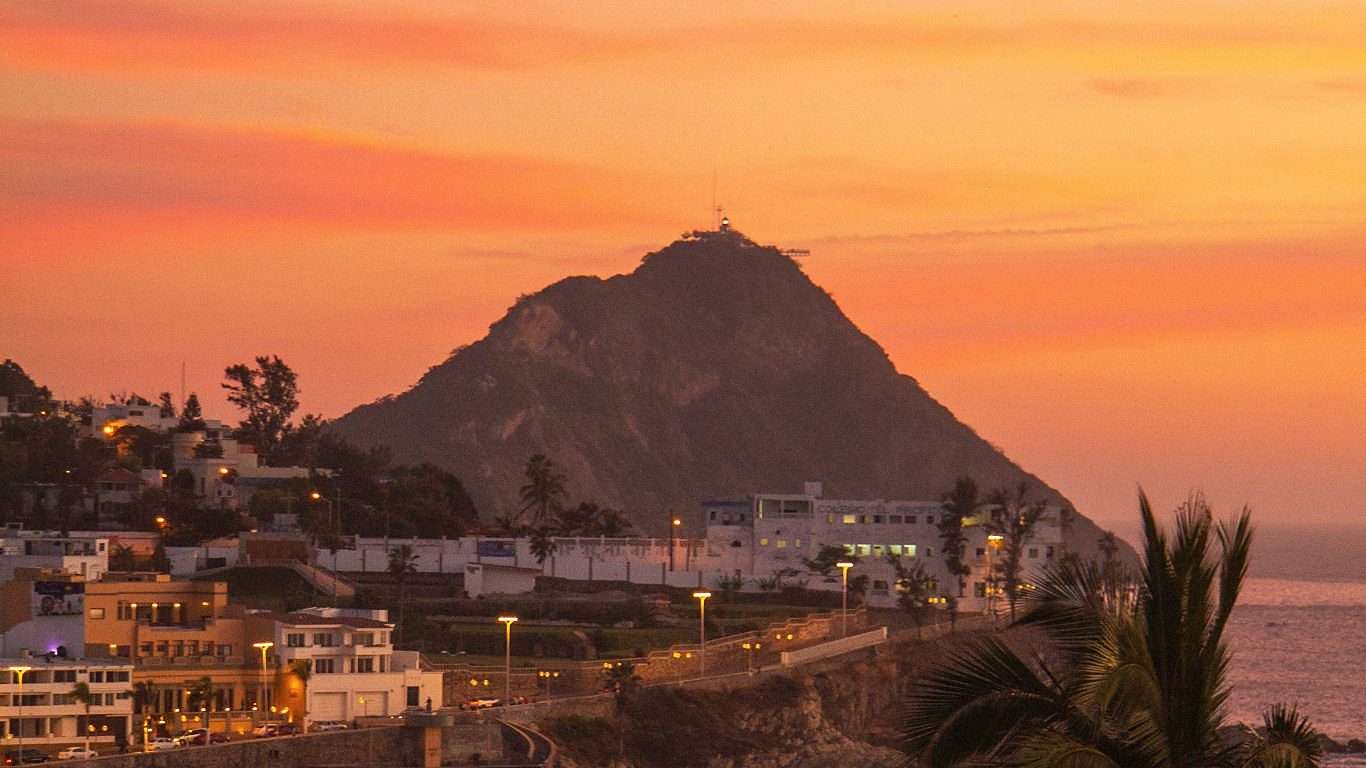
El Crestón Lighthouse, 157 meters above the sea, one of the highest natural lighthouses in the world.
The traditions: what's genuinely different here
This is the part that never appears in a property listing, and it's the part that makes people stay.
Carnaval
In February, and it isn't a parade: it's the entire city. In 2026, more than 1,340,000 people attended and the first parade alone drew 550,000. The 2027 dates are set: February 4 to 9.
Two things about Carnaval are genuinely rare:
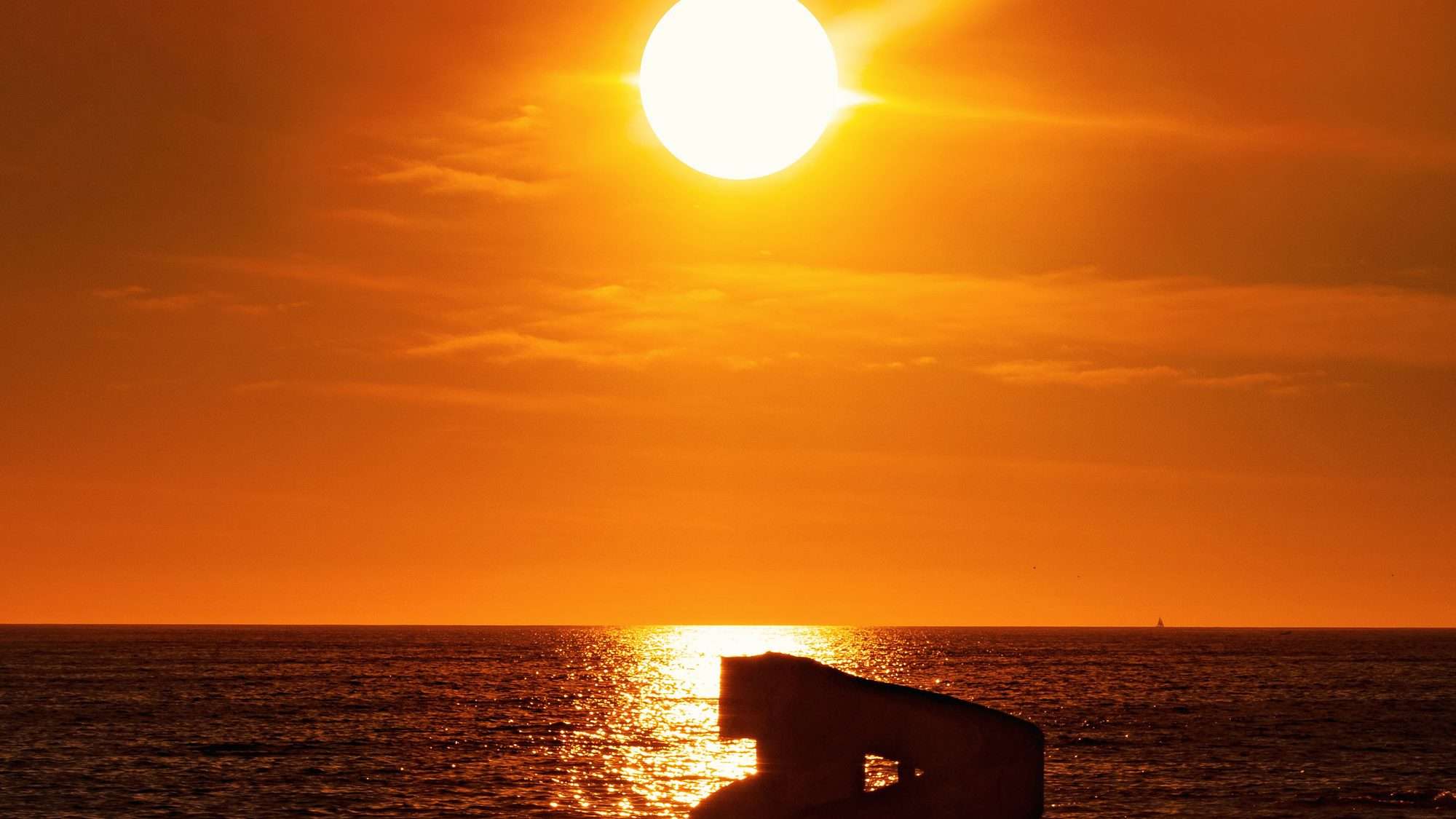
The Naval Combat. A pyrotechnic spectacle over the water, off Olas Altas, that re-enacts the French bombardment of March 31, 1864 against this port. It isn't a generic fireworks show: it's a city restaging the day it was attacked, in the exact place it happened, every year for nearly a century. In 2026 some 95,000 people watched it. We don't know of another city in Mexico that does anything like it.
The Juegos Florales. Mazatlán's Carnaval has had its own literary competition since 1925; 2026 was the 91st edition, and the Queen of the Floral Games is crowned at Teatro Ángela Peralta with a poet reading. A beach carnival that crowns poetry: that isn't common either.
Pulmonías
Mazatlán's open-air taxi. Invented here by Miguel Ramírez Urquijo around 1965, and found in no other city in the world. They're regulated, with official fares. This is the Centro's real transportation: not a tourist ride, the normal way to get around.
La tambora
Sinaloan banda is the sound of this city: brass, bass drum, no amplification, on the beach and in the plaza. It's often repeated that Germans brought it; the only serious academic research on the subject doesn't support that, linking it instead to the worldwide spread of nineteenth-century military wind bands. Either way, here it is an everyday thing.
And the whole truth: the tambora is also a source of conflict. There are agreed cut-off times because the volume bothers residents and hotels. If you're coming for quiet, this will matter to you more than the view.
The table
The taco gobernador was born here in 1987, at Los Arcos restaurant, created by Eduardo Angulo Salomón. Aguachile, callo de hacha, shrimp and smoked marlin belong to this coast. The market opens at six in the morning.
The rest of the year
June 1, Navy Day: a floral offering cast into the sea, in a port where that means something. September 15: the Grito, in Plazuela República, in front of City Hall. Día de Muertos and Christmas posadas in the Historic Center. Mazatlán Cultural Festival, since 1993, October through December. Camino del Arte: a gallery walk through the Centro on the first and third Friday of each month, November through April.
The cliff divers at Glorieta Sánchez Taboada have been diving from that rock for more than seventy years: a local tradition, not a staged show. And the Venados de Mazatlán, founded in 1945, play winter baseball at Teodoro Mariscal stadium. In season, half the city wears the cap.
Who actually lives here
This is what surprises people most and gets written about least.
The Historic Center isn't a foreigners' zone and isn't a Mexicans' zone: it's one of the few parts of Mazatlán where both genuinely mix. On the same block you'll find Mazatlecan families three generations deep, people who came looking for a city with real cultural life and now spend November through April here, artists, restaurant owners, and someone who came for six months and has been here six years.
That has a practical consequence: you will not live in a bubble. In a gated development, social life ends at the wall. Here there is no wall. People meet in the plaza, at the market and in line at the tortillería. For some people that's exactly what they wanted. For others it's too much. It's worth knowing which one you are before you buy.
There's an organized life around it too: volunteering, classes, cultural activities, people who meet to walk in the morning. Someone arriving alone or newly retired usually finds a way in faster than expected.
The practical stuff
Weather. November through May is why people come: sun, warm days, cool evenings, almost no rain. June through October is genuinely hot and humid, with a rainy season and an eastern Pacific hurricane season that runs from May 15 to November 30. Many people spend the winter here and leave for the summer; others stay year-round with air conditioning, as you would in Houston or Miami. Neither is the right answer: it's a decision worth making with your eyes open.
Healthcare. Mazatlán has private hospitals — Hospital Sharp and Alhma Medical Center among them — plus Servicio Médico Costa Azul, with specialists and medical and dental care at a fraction of U.S. or Canadian cost. Many doctors speak English and the hospitals routinely treat foreign patients.
Services. Fiber internet, water, power and gas all work. Household help and maintenance are affordable and good, which changes daily life considerably for someone in their sixties or seventies. In heritage buildings, confirm fiber installation case by case.
Getting here and out. Rafael Buelna International Airport handled 1,736,208 passengers in 2025 and has seasonal direct flights from cities including Los Angeles, Phoenix, Dallas, Houston, Minneapolis, Calgary, Vancouver and Montreal. Service changes by season, so check for your dates. In 2025, 124 cruise ships also arrived with more than 435,000 passengers, disembarking about a 15- to 20-minute walk from the Centro.
Parking. This is the number one complaint about the Historic Center and nobody mentions it in the listings. Narrow colonial streets, limited street parking. If you're going to have a car, solve this before you buy, not after: there are monthly parking arrangements in the neighborhood. Ask about it specifically at any property you're considering. If you don't get a concrete answer, you've been answered.
With a car or without one: Villa Vicario’s answer. The building has no parking spaces of its own: almost nothing in the Historic Center does, because these are 1800s buildings on streets laid out for carts. What there is: assigned parking five doors down, on the same street, with an individual remote for entry and exit, for 2,000 pesos a month.
If you keep a car, 2,000 pesos a month is a small price for never circling the Historic Center looking for a spot: your space is five doors down, with your own remote. If you don’t, you save all of it (parking, insurance, fuel and maintenance), and this is what you have on foot from the front door:
| Where | On foot | Distance |
|---|---|---|
| Paseo Olas Altas · where the malecón begins | 5 min | 400 m |
| Plazuela Machado | 5 min | 350 m |
| Ángela Peralta Theater | 6 min | 450 m |
| Pino Suárez Market | 9 min | 650 m |
And what does need a car or a taxi:
| Where | By car | Distance |
|---|---|---|
| Sharp Hospital | 16 min | 6.4 km |
| Mazatlán International Airport | 31 min | 23.3 km |
Times and distances verified on Google Maps, September 19, 2026, from Gral. Ángel Flores 308.
For anything farther, the building lends bicycles and scooters to residents, at no cost.
One way to test it: when you come for the tour, don’t bring a car. Arrive by taxi or on foot from wherever you’re staying and walk a normal day: breakfast, market, malecón, back. In two hours you will know whether this way of living is yours.
Safety, straight
It's the question everyone has and almost nobody asks out loud. We'll answer it directly, because an evasive answer is useless to anyone about to make a decision this size.
Sinaloa is going through a difficult cycle. It's widely reported and we're not going to pretend otherwise. What almost nobody explains to you is the difference in scale: Sinaloa is a state of 58,000 square kilometers. This neighborhood is 180 city blocks. They are not the same conversation.
And here’s what almost nobody notices. The governments of the United States and Canada, independently of each other, define an area of Mazatlán that they leave outside their strictest warnings — and they draw nearly the same polygon. The U.S. defines it as the historic town center, from Avenida Gutiérrez Nájera to the ocean, and the Malecón. Canada describes the Centro Histórico south of Gutiérrez Nájera, the airport road and the coastal strip. Two governments, two independent documents, the same boundary: this neighborhood. We quote both, word for word, in Is Mazatlán’s Historic Center Safe?
And this is how it's lived. People walk to dinner. The plaza is full on Fridays. Kids ride bicycles in the street. The market opens at six in the morning and there's already a line. In the municipal tourism office's Easter 2026 survey, 99% of 1,121 visitors rated the city's safety positively and 100% said they would return. That's what the people who were actually here report.
And there's something else, which is what really sets this area apart: the neighborhood looks after itself. Since March 2023 the Historic Center has had a police station dedicated solely to these streets. What's remarkable is how it's sustained: the city provides the officers, and the Consejo Rector del Centro Histórico — the civic association of residents and business owners of this neighborhood — paid for the station, the bicycles, the uniforms and a direct phone line for residents, and keeps funding its operation year after year. The officers patrol on foot and by bicycle, the same ones, and the Consejo runs a security committee through which neighbors report directly.
It's an uncommon model in Mexico: in Mexico City, Querétaro and Guanajuato, the equivalent programs are entirely public. Here the neighborhood pays for part of its own policing because the neighborhood decided it mattered. It's the same Consejo that put the historical plaques on the buildings, lights the Cathedral, removes the graffiti and drives the murals. A neighborhood that organizes to look after its façades is the same one that organizes to look after its corners.
We're not going to sell you an island. We're going to show you a street. We live and work here, and if you come for the tour we'll walk the neighborhood with you — by day and at night if you want — and answer anything on this subject without dodging. Don't buy here, or anywhere in the world, without having walked the street yourself.
What nobody's going to tell you
If you're still interested after that, it's a good sign.
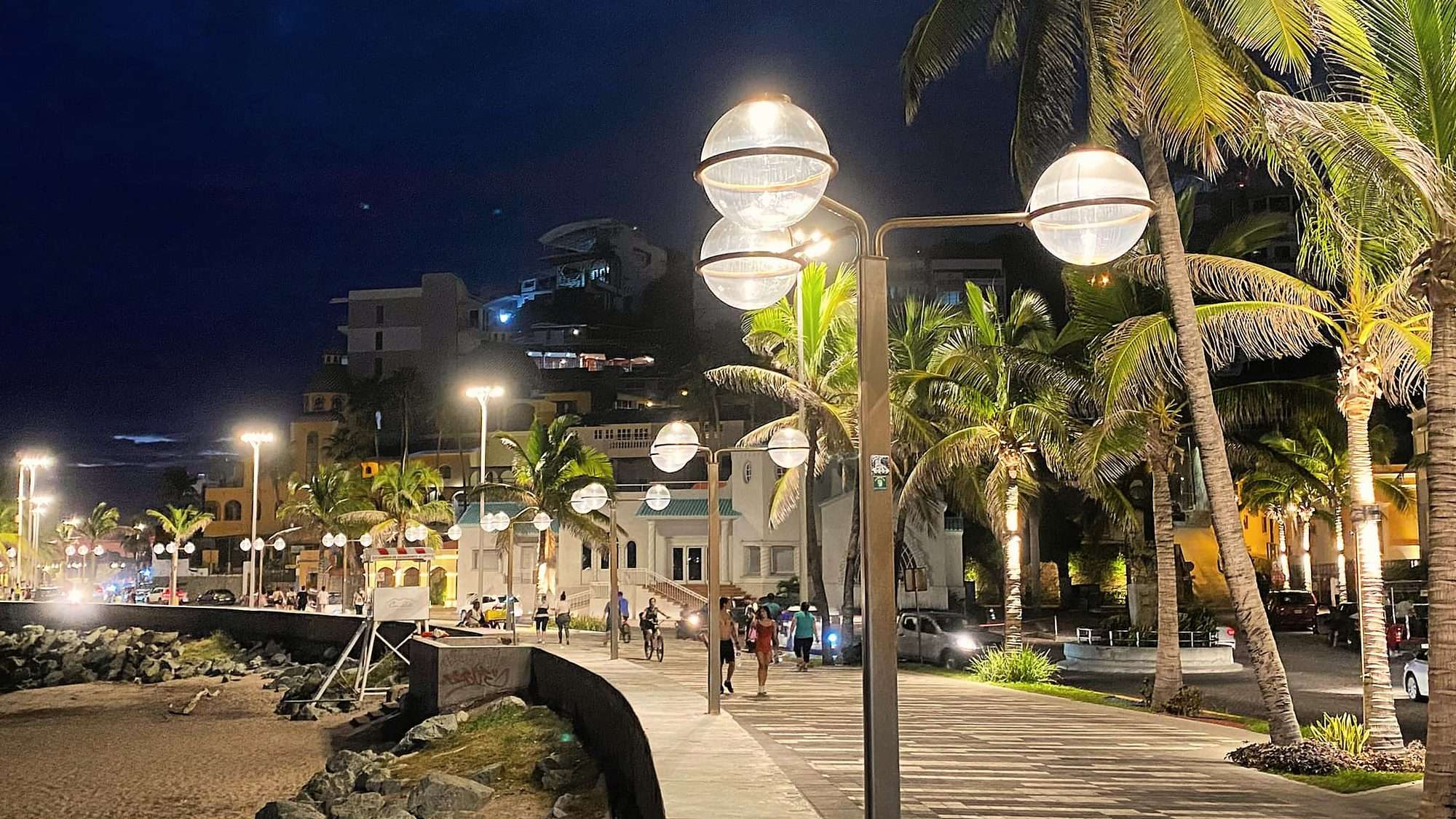
There is noise. You'd be living in the neighborhood where the city goes out at night. Music from the plaza on weekends, tambora in the street, and during Carnival — one week in February — your corner is part of the parade route. For many people it's the best week of the year. Inside is another story: which way a unit faces and what kind of windows it has change this enormously. At Villa Vicario, at night, inside the apartment it is quiet. Not every property downtown manages that; ask about it at each one.
It's a neighborhood being restored, not a restored neighborhood. Next to an immaculate building there's one under construction and one abandoned. That's exactly why today's prices still make sense, and it also means you'll have construction near you at some point. The area has been improving block by block for years; the one you buy today is not the one you'll have in ten years.
Not every old house is a good idea. A nineteenth-century house with adobe walls, sea humidity and original wiring can cost more in repairs than it cost to buy. And there's a factor almost nobody calculates: inside the declared zone, any work requires INAH approval, including a façade. Renovating here is more expensive and slower than people assume. The people who have a bad time in the Centro are almost always the ones who bought a cheap project they underestimated.
The bureaucracy is Mexican. Opening an account, setting up utilities, processing anything takes more steps and more time than in your country. It isn't bad will: it's a different rhythm. People who arrive in a hurry suffer; people who arrive patient adapt within a few months.
The language. You can live here in English and plenty of people do, comfortably: at the hospitals, in the restaurants and across much of the neighborhood you'll be understood. And if you take up a little Spanish, even the basics, you get something extra: the conversation at the market, the neighbor who tells you the story of his house, the nicknames everyone here has. It isn't required. It just adds.
So who is this for, and who isn't it for?
It's for you if you want to stop depending on a car; if you like a street with life in it; if you care about theater, food, architecture and the mix; if you'd rather have a neighborhood with history than a new development; if you value being five blocks from the ocean and two from an 1874 theater.
It isn't for you if you want a clubhouse with a pool and a guard gate; if you want to park at your door every day; if a half-restored city bothers you; if you need everything to work the way it does at home.
There's no right answer. There are people who tried three months and stayed twelve years, and people who came intending to stay and found they wanted something else. The only thing we don't recommend is buying without having walked the neighborhood at night.
How this looks from Villa Vicario
Villa Vicario is at Gral. Ángel Flores 308, inside the declared perimeter: twenty-seven residences, finished and lived in, two streets from Teatro Ángela Peralta and five blocks from Olas Altas. It's new construction inside the old neighborhood, and it solves most of what we just described as hard: new systems, maintenance handled, air conditioning, and monthly parking steps away, on a lot our own company operates. That is the concrete answer to the question almost nobody answers.
The best way to decide isn't a video: it's walking the neighborhood with someone who does this for a living. The tour is private, takes about an hour, and costs nothing.
Still wondering how a foreigner buys property in Mexico? It's explained step by step on the fideicomiso page. The questions we get asked most are on frequently asked questions.